Mountains, ice, ocean, and glaciers…have I left anything out?
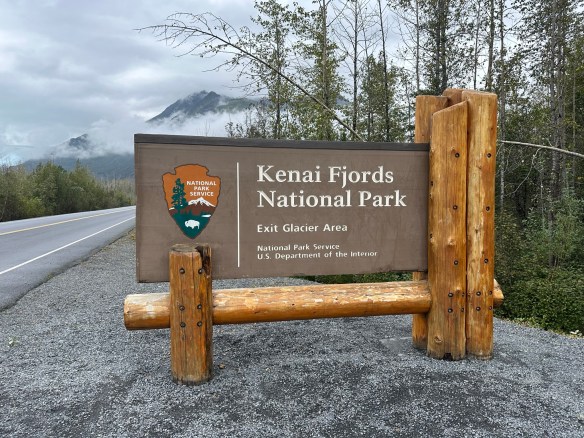
Kenai Fjord National Park is located in south-central Alaska on the southeast coast of the Kenai Peninsula, primarily accessed from the town of Seward. It is situated about 130 miles (2.5-hour drive) south of Anchorage and is known as the place “where mountains, ice, and ocean meet,” featuring the massive Harding Icefield and coastal glaciers. It is one of the few Alaska national parks accessible by road and ies south of the Kenai National Wildlife Refuge and north of the Gulf of Alaska.
This part of Alaska has long been populated by the Sugpiaq (also known as Alutiiq) whom are often referred to as the “people of the seal.” They have lived in, and around, the Kenai Fjord area for over 7,800 years. They learned to rely on the ocean for food, clothing, and materials, using seal gut for waterproof parkas and harvesting such resources as mussels, clams, algae, and crustaceans. While these cultures and others subsisted on harvesting, gathering, preparing, and sharing wild foods, subsistence hunting is no longer allowed within the borders of the park because it is a national park and not a national preserve. However, subsistence practices are still allowed on corporation-owned lands within the park and its adjacent waters. The Sugpiaq/Alutiiq people still maintain a close relationship with the land and remain an integral part of the area.
There are three main areas of the park that provide opportunities to see the park through varied lenses:
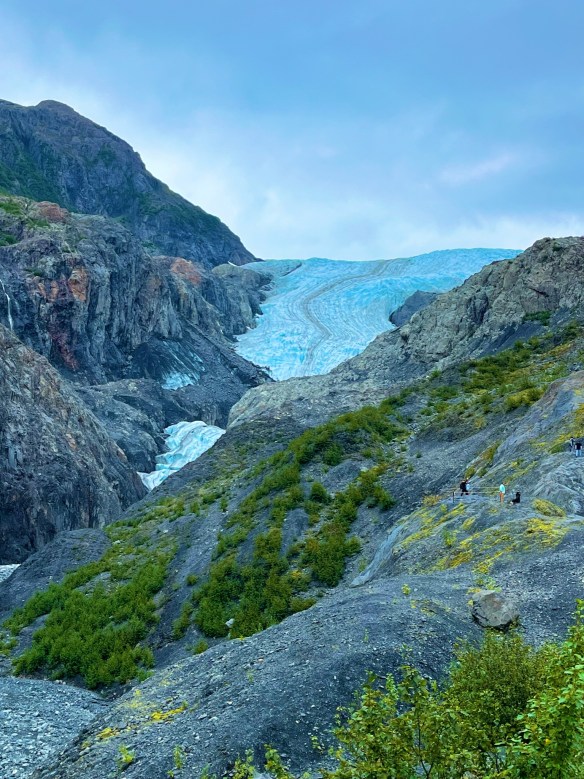
- Exit Glacier: The Exit Glacier area is the only part of the park accessible by road. This area also offers an opportunity to take a short, accessible, one mile loop hike that takes you to a panoramic vista of Exit Glacier spilling down from the Harding Icefield.
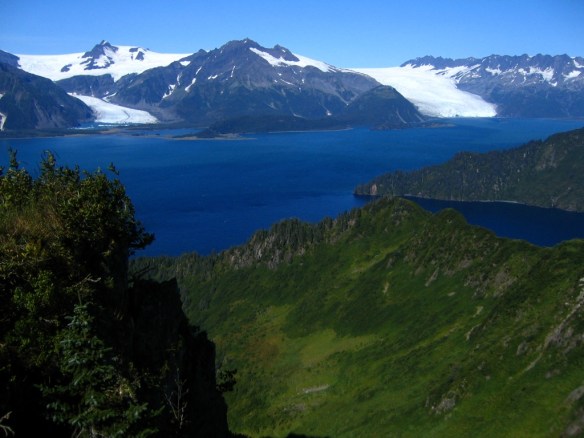
- The Coastal Fjords: Several local companies offer opportunities to see the park’s coastline, tidewater glaciers, and marine mammals up close. If you’d prefer to do it yourself, kayaking is also an option.
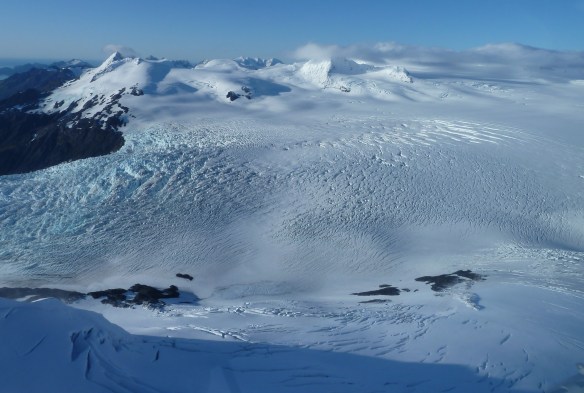
- The Harding Icefield: This is the star of the show. During the last ice age, the immense pressure of glaciers from the icefield scoured the coastal mountains, carving deep, steep-walled valleys.
As the climate warmed and the glaciers retreated, the ocean filled these U-shaped valleys, creating the characteristic steep-walled fjords. The combination of retreating ice and rising sea levels transformed the landscape, leaving behind a coastline where mountains drop directly into the ocean, sometimes descending 600 to 1,000 feet below sea level. If you’re the strenuous type, you can take a full day to hike the strenuous 8 mile round trip trail. Mountaineering here is also an option if you’re a mountaineer with several outfitters and guides to assist in the planning. Probably the best way to view the Harding Icefield would be from the sky, with flightseeing overflights. More information for those flights can be found at the Seward Chamber of Commerce.
Kenai Fjords National Park is open year round. The primary months to visit are June, July, and August. There are reduced services in the area during the months of May and September. The Visitor Centers are open from Memorial Day weekend (last weekend of May) through Labor Day (first Monday of September) unless otherwise noted.
Being at Kenai Fjord National Park is about moving through a landscape shaped by ice, animals, and generations of people who learned to live with both. Whether you go for the trails, the scenery, the wildlife, or the cultural echoes of this rugged coastline, Kenai Fjords teaches us to move slowly and enjoy creation.
MILE MARKER: Would you believe that the Harding Icefield contains remnants of the vast Pleistoscene ice sheets that once covered much of Alaska?! The Pleistocene Ice Age occurred from approximately 2.58 million to 11,700 years ago.
HIKE IT!: There are only two maintained trails in Kenai Fjords National Park. They are the connected Exit Glacier Trails and Harding Icefield Trail. The trailhead for both starts just beyond the parking lot at the end of Exit Glacier Road. Make sure you check out the local conditions as you plan your trip to the park.
 Two Chicks with Hiking Sticks